
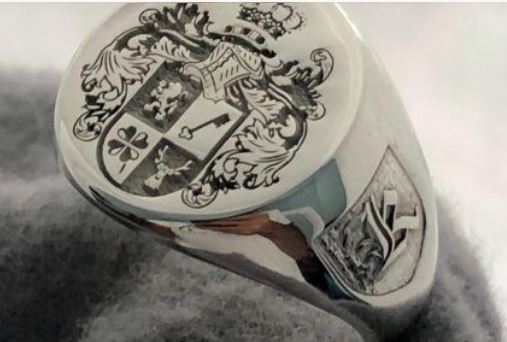
Coat of arms ring is a bespoke and deeply symbolic piece of jewelry featuring an intricately engraved family crest or full heraldic shield upon its flat surface, traditionally used throughout history as a signature to stamp official wax seals. Rooted in medieval Europe, where knights and nobles wore their distinct emblems into battle and diplomacy, these rings serve as a portable emblem of identity and status. In the modern era, they have transitioned into an elegant fashion statement and a cherished heirloom, allowing individuals to honor their genealogy and carry their ancestral legacy on their hands wherever they go.
The Historical Significance and Modern Appeal
The tradition of the coat of arms ring, often referred to as a heraldic signet ring, dating back to a time when literacy was not universal. Emperors, kings, and noble patriarchs required a foolproof method to guarantee the authenticity of decrees, deeds, and letters. A specialized jeweler would carve the family’s coat of arms in reverse—a process known as intaglio—directly into precious metals or hard gemstones. When pressed into molten wax, the ring left a perfect, raised impression of the family emblem, acting as a legally binding signature.
Today, while digital signatures have replaced wax seals, the allure of the coat of arms ring remains stronger than ever. In a world of fleeting, fast-fashion trends, people are increasingly drawn to objects that possess permanence, story, and personal meaning. Wearing a heraldic ring is an act of storytelling; it connects the wearer to their roots, sparks engaging conversations, and serves as a tangible link between past generations and those yet to come.
Crafting Your Custom Heraldic Ring: Key Choices
Designing a custom ring requires careful consideration of materials and shapes to ensure it reflects your aesthetic while honoring tradition:
- Metal Options: The metal you choose forms the foundation of the ring’s character. Classic 14k or 18k yellow gold offers a warm, regal, and traditional appearance that mirrors historical museum pieces. For those who prefer a more contemporary or understated look, white gold, platinum, and high-grade sterling silver provide a sleek contrast that sharply defines the fine lines of the engraving.
- The Shape of the Face: Signet rings are available in several traditional face shapes. The oval face is the most popular and timeless, providing an elegant canvas for intricate shields. The cushion face (a square with softened, rounded corners) delivers a bold, vintage aesthetic, while a round face offers a clean, modern framework.
- Engraving Techniques: Modern technology allows for laser engraving, which delivers flawless, microscopic precision perfect for highly detailed modern emblems. However, traditional hand engraving by a master artisan yields deep, unique cuts and an organic texture that allows the ring to age beautifully, developing a stunning patina over the years.
Frequently Asked Questions About Coat of Arms Rings
To help guide you through the traditions and processes of creating a piece of heritage jewelry, we have compiled and answered the most common questions:
1. Can I create a coat of arms if my family does not historically have one?
Answer: Absolutely. While many people use genealogical records to locate a historical coat of arms associated with their surname, you do not need ancient aristocratic lineage to wear one. Many modern individuals and families collaborate with designers to create a brand-new heraldic emblem from scratch. This allows you to incorporate specific symbols, animals, or mottos that represent your personal achievements, values, or profession, establishing a new legacy for your descendants.
2. On which hand and finger should a coat of arms ring be worn?
Answer: According to traditional European heraldic customs, a signet ring is worn on the pinky finger of the non-dominant hand. This positioning originally made it easy for the wearer to quickly stamp documents on a desk. However, contemporary style rules are entirely open. Many people choose to wear their rings on the ring finger or middle finger of either hand based purely on personal style and comfort.
3. What is the difference between a family crest and a full coat of arms?
Answer: While the terms are often used interchangeably, they refer to different components of heraldry. The coat of arms is the complete visual display, which includes the shield, the helmet, the mantling, the supporters, and the motto. The crest is specifically the component that sits on top of the helmet or wreath above the shield. Due to the limited space on a ring’s face, many people choose to engrave just the crest for clarity, though larger rings can beautifully accommodate a full coat of arms.
4. How do I maintain and clean an engraved ring?
Answer: Because heraldic engravings contain fine lines where microscopic dirt, soaps, and oils can collect, regular cleaning helps maintain its brilliance. Soak the ring in warm water mixed with a few drops of mild dish soap, then gently scrub the engraved crevices using a very soft-bristled toothbrush. Avoid using harsh chemical cleaners or abrasive cloths, which can gradually blunt the delicate details of the engraving over time.
Investing in a custom heraldic ring is a powerful way to celebrate your identity and ensure your family’s story continues to be told for generations. Whether you are seeking a heavy gold ring featuring an authentic historical shield, a minimalist silver piece showcasing a clean family crest, or a unique heirloom gift to mark a milestone achievement, choosing the right craftsmanship is essential. You can explore our premium collection of coat of arms ring products and similar custom heritage jewelry directly on our website, where you can easily find the perfect design to represent your unique identity.