
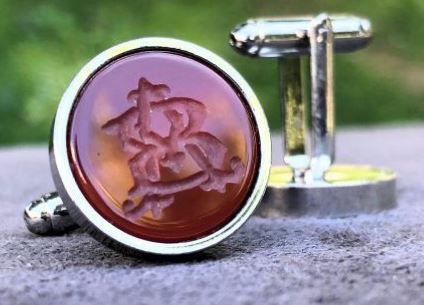
Intaglio jewellery is an ancient and sophisticated form of wearable art featuring gemstones, metals, or glass that have been meticulously carved with a recessed, negative relief design that sits below the surface of the material. Unlike cameo jewelry, where the image is carved to stand out in raised relief, the artistry of an intaglio lies in its depth, requiring master craftsmen to carve backwards and inwards to create a stunning illusion of dimension. Originating thousands of years ago as functional personal seals, these miniature sculptures have transcended their utilitarian roots to become one of the most coveted, luxurious, and philosophically deep categories of historic and modern custom jewelry.
The Timeless Appeal and History of Intaglio Artistry
The history of intaglio carving dates back to ancient Mesopotamia, Egypt, and classical Greece, reaching its absolute artistic zenith during the Roman Empire. In the ancient world, an intaglio ring was not merely decorative; it was an indispensable tool of legal authentication. Nobles, merchants, and military commanders wore rings carved from hard stones like carnelian, jasper, amethyst, onyx, and chalcedony. Each ring bore a unique emblem—often depicting deities, mythological heroes, or protective talismans—that would be pressed into soft clay or molten wax to seal letters, secure chests of valuables, and sign official state decrees.
Because an intaglio ring functioned as the wearer’s exclusive legal fingerprint, it was often destroyed upon their death to prevent forgery, making authentic ancient pieces exceptionally rare and highly prized by modern collectors. During the Renaissance and the Victorian eras, intaglio jewelry experienced massive revivals as wealthy travelers on the “Grand Tour” collected antique carved stones from Italy and Greece, setting them into elaborate gold rings, brooches, and fob seals. Today, the modern renaissance of intaglip art caters to those who appreciate understated luxury, historical storytelling, and the irreplaceable touch of master hand-craftsmanship.
Materials and Craftsmanship: The Subterranean Sculpture
Creating high-quality intaglio jewelry requires an incredible level of skill, patience, and spatial awareness. Because the artisan carves directly into the stone, a single misplaced cut can entirely ruin days of painstaking labor.
- The Choice of Gemstones: Traditional intaglios favor translucent or opaque stones with fine crystalline structures that allow for clean, precise carving without fracturing. Carnelian (with its warm orange-red glow), deep green sardonyx, rich lapis lazuli, and dark onyx remain the most popular choices. When light passes through translucent stones, the recessed carving beautifully illuminates, showcasing the hidden details of the artwork.
- The Design Canvas: While ancient intaglios frequently portrayed gods like Mars or Minerva, modern custom designs offer limitless possibilities. Wearers often choose to engrave traditional family crests, monogrammed initials, astronomical configurations, or contemporary personal symbols that represent milestones, core virtues, or spirit animals.
Frequently Asked Questions About Intaglio Jewellery
To guide you through the rich traditions and technical details of this ancient art form, we have answered the most common questions regarding custom intaglio pieces:
1. What is the difference between an intaglio and a cameo?
Answer: The primary difference lies in the direction of the carving. An intaglio features a design that is carved into the stone, creating a hollowed-out, negative relief that sits beneath the surface. A cameo, conversely, features a design carved in positive relief, where the background stone is shaved away to leave a raised image standing out above the surface, frequently utilizing layered stones like agate to create contrasting colors between the background and the portrait.
2. Can you still use modern intaglio rings to create wax seals?
Answer: Yes, absolutely. If your intaglio ring is carved using the traditional “reverse” or “mirror-image” technique, it can be perfectly pressed into modern hot sealing wax. When pressed into the wax, the recessed design transfers onto the medium, creating a beautifully oriented, raised three-dimensional impression, just as it did in the days of the Roman emperors.
3. How should I care for and clean my intaglio jewelry?
Answer: Because intaglios feature deep, microscopic crevices, they can gradually accumulate dust, natural skin oils, or soaps over time, which can temporarily cloud the fine details of the carving. To clean your piece safely, soak it in warm water mixed with a few drops of mild, chemical-free dish soap. Gently clean the carved crevices using a very soft-bristled toothbrush, rinse thoroughly with clean water, and pat dry with a microfiber cloth. Avoid ultrasonic cleaners or harsh chemical polishes, especially on organic or porous stones like lapis lazuli or turquoise.
4. Are intaglio rings suitable for daily wear?
Answer: Yes, but the durability depends largely on the gemstone you choose. Harder stones like carnelian, jasper, and quartz varieties are excellent for daily wear as they resist scratching. If your intaglio is carved from softer materials like glass, amber, or softer gemstones, it is best suited for special occasions or low-impact daily wear to protect the finer elements of the engraving from blunt impacts.
Investing in a piece of intaglio jewelry is akin to owning a private museum piece that you can carry with you everywhere. Whether you are searching for a classic signet ring featuring a deeply carved ancestral crest, a striking gemstone pendant that catches the sunlight, or a custom-designed talisman that honors your unique personal story, finding the right artisanal quality makes all the difference. You can seamlessly browse our premium collection of intaglio jewellery products and similar custom heritage designs directly on our website, where you can easily find the perfect piece to express your timeless style and individuality.