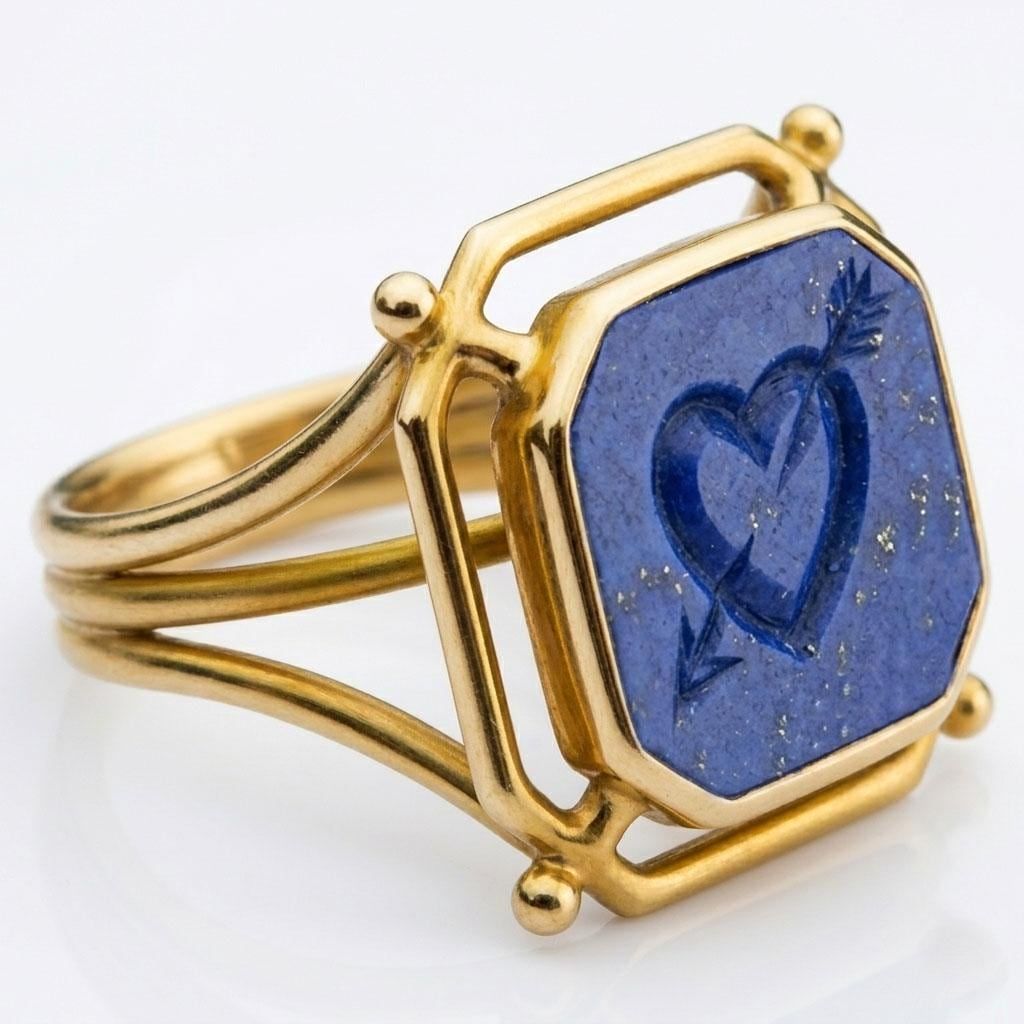
Antique fashion rings are authentic, historically significant jewelry pieces crafted over one hundred years ago—spanning iconic design periods such as the Georgian, Victorian, Edwardian, and early Art Deco eras—that were designed specifically to express personal style, social status, and artistic taste rather than serve purely as formal wedding or engagement bands. Unlike mass-produced modern accessories, these century-old treasures carry incredible artistic depth, rare hand-cut gemstones, and distinctive structural motifs that elevate any outfit with timeless sophistication. From intricate gold cluster settings to dramatic enamel work and vibrant colored gemstones, owning an antique fashion ring is a celebration of individuality, wearable history, and enduring elegance.
The Expressive Eras of Antique Fashion Jewelry
Exploring the distinct design movements helps style enthusiasts understand how fashion rings evolved throughout history:
- Georgian Era (1714–1837): Entirely handcrafted before modern industrialization, Georgian fashion rings are extraordinarily rare. Artisans created romantic poison rings, sentimental portrait miniature bands, and foil-backed garnet or topaz cluster designs set in hand-chased gold.
- Victorian Era (1837–1901): Influenced deeply by Queen Victoria’s personal wardrobe and travels, Victorian fashion rings celebrated nature, romance, and symbolism. Popular styles included serpent rings (representing eternity), turquoise cocktail clusters, acrostic gem arrangements spelling out affection, and hand-carved cameo bands.
- Edwardian Era (1901–1915): Known for aristocratic grace and ethereal aesthetics, Edwardian fashion rings introduced platinum lattice work. Ladies favored delicate lace-like cocktail rings featuring Old European cut diamonds, pearls, and vivid sapphires designed to complement luxurious evening gowns.
- Early Art Deco Era (1915–1920s): Transitioning into bold geometry and industrial modernity, early Art Deco fashion rings embraced sharp symmetry, caliber-cut onyx, and emerald borders surrounding step-cut focal gems, making a striking architectural statement.
Why Choose an Antique Fashion Ring Over Modern Costume Jewelry?
Opting for an authentic century-old fashion ring over contemporary accessories offers several compelling advantages:
- Unmatched Artisanal Craftsmanship: Antique fashion rings were individually hand-forged, hand-engraved, and assembled by master goldsmiths. The subtle human touch endows every piece with a unique, one-of-a-kind character that modern automated manufacturing cannot replicate.
- Solid Precious Metals and Natural Gems: While modern fashion jewelry often relies on plated base metals and glass stones that tarnish quickly, authentic antique fashion rings were constructed from solid gold, silver, or platinum set with natural gemstones that retain their intrinsic beauty for generations.
- Eco-Friendly and Sustainable Style: Purchasing pre-loved estate and antique jewelry is the ultimate expression of sustainable fashion. By choosing an existing historic treasure, you eliminate the environmental impact associated with modern mining and mass production.
Frequently Asked Questions About Antique Fashion Rings
Navigating the world of historic fashion jewelry requires understanding key mechanical and aesthetic details. Here are detailed answers to the questions buyers ask most frequently:
1. How do antique fashion rings differ from antique engagement rings?
Answer: While antique engagement rings historically focused on central solitaire diamonds or traditional bridal settings symbolizing marital promise, antique fashion rings offer much broader artistic freedom. They encompass statement cocktail rings, multi-stone cluster designs, signet bands, enamel pieces, and colorful gemstone arrangements meant to be worn on any finger as an accent to daily or formal attire.
2. Can antique fashion rings be worn every day?
Answer: Yes, provided you match the ring’s gemstones to your daily lifestyle. Antique fashion rings featuring hard gemstones like diamonds, sapphires, or rubies (hardness of 9 or 10 on the Mohs scale) set in gold or platinum are highly durable. However, pieces featuring softer or porous gems like pearls, opals, or delicate enamel work require more mindful wear and should be protected from harsh impacts and moisture.
3. Can an antique fashion ring be safely resized?
Answer: In most cases, yes. Gold or platinum fashion rings with plain rear shanks can easily be resized by a bench jeweler specializing in antique restoration. However, rings featuring full eternity bands (where gemstones or engraving wrap around the entire band) or delicate enamel shanks require specialized evaluation to avoid damaging the historic design.
4. How should I properly clean and maintain a century-old fashion ring?
Answer: Gentle care is essential. Clean your ring using a mild solution of warm water and a few drops of dish soap, dabbing away dirt with a soft cloth or ultra-soft brush. Avoid harsh chemical cleaners, steam treatments, and ultrasonic cleaners—especially for rings containing softer stones like opals, pearls, or emeralds.
Whether you are seeking a dramatic Victorian cluster ring to elevate your evening wardrobe, an Edwardian platinum statement piece, or a bold Art Deco geometric accent to reflect your personal flair, an authentic historic ring offers an enduring narrative of style and craftsmanship. To explore our curated collection of certified historic pieces, discover rare designs from every classic era, and purchase exquisite antique fashion rings, visit the dedicated pages on our website today.